
Learning to play the guitar is an exciting journey, but for beginners, it all starts with mastering the fundamental chords. These basic guitar chords form the foundation for thousands of songs across multiple genres, from rock and pop to blues and country. Whether you're picking up a guitar for the first time or looking to solidify your basics, here are the essential beginner guitar chords every musician should master.
1. The Essential Open Chords
Open chords are the first step in any guitarist’s learning process. These chords use open strings and are relatively easy to play, making them perfect for beginners.
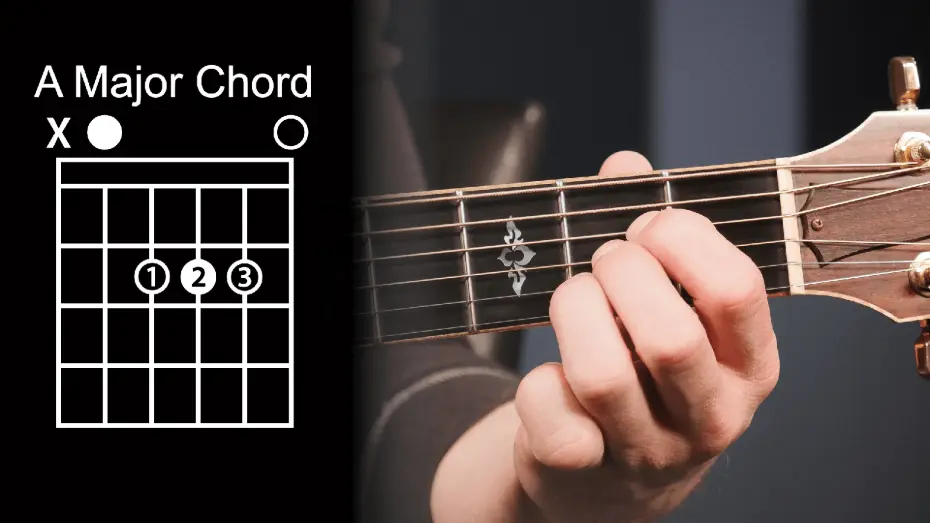
A Major
- Fingering: Place your index, middle, and ring fingers on the second fret of the D, G, and B strings.
- Sound: Bright and full, commonly used in rock and pop music.
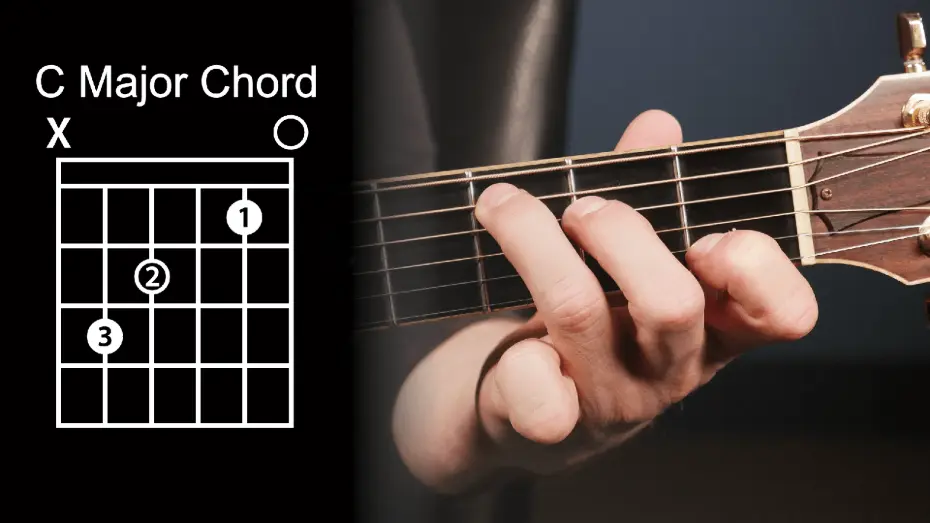
C Major (C)
- Fingering: Place your ring finger on the third fret of the A string, middle finger on the second fret of the D string, and index finger on the first fret of the B string.
- Sound: Warm and melodic, frequently used in ballads and folk songs.
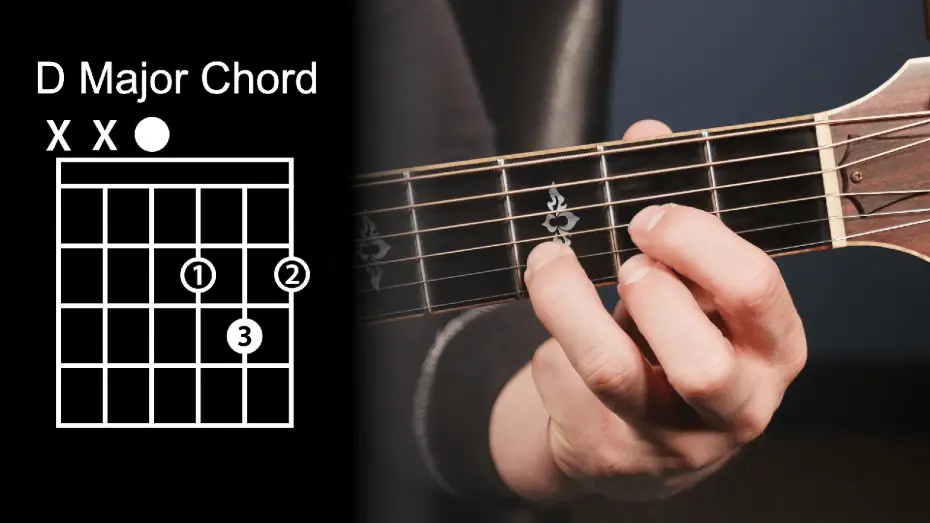
D Major (D)
- Fingering: Position your index finger on the second fret of the G string, middle finger on the second fret of the high E string, and ring finger on the third fret of the B string.
- Sound: Bright and uplifting, often found in country and pop music.
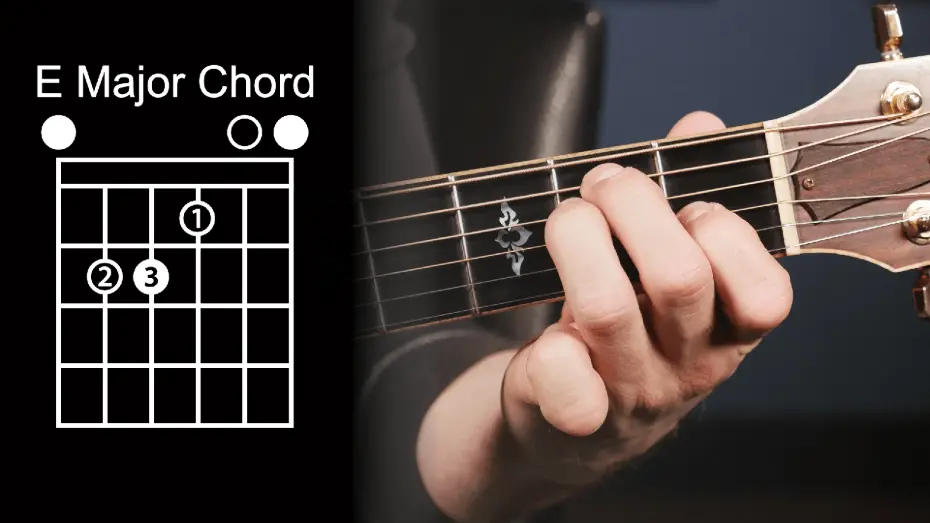
E Major (E)
- Fingering: Place your middle and ring fingers on the second fret of the A and D strings, and your index finger on the first fret of the G string.
- Sound: Rich and full, an essential chord in blues and rock.
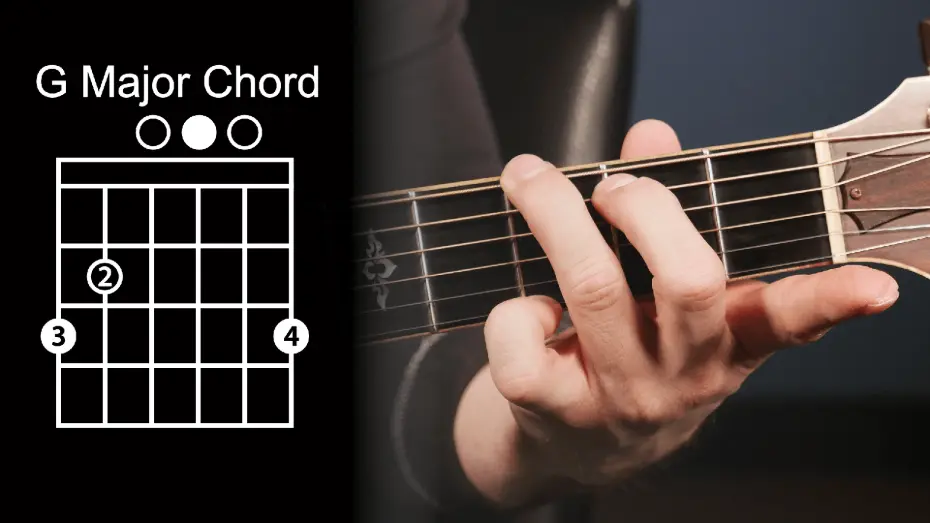
G Major (G)
- Fingering: Place your ring finger on the third fret of the high E string, middle finger on the third fret of the low E string, and index finger on the second fret of the A string.
- Sound: Bright and resonant, one of the most commonly used chords in all music genres.
2. Must-Know Minor Chords
Minor chords add depth and emotion to your playing, making them crucial for any musician.
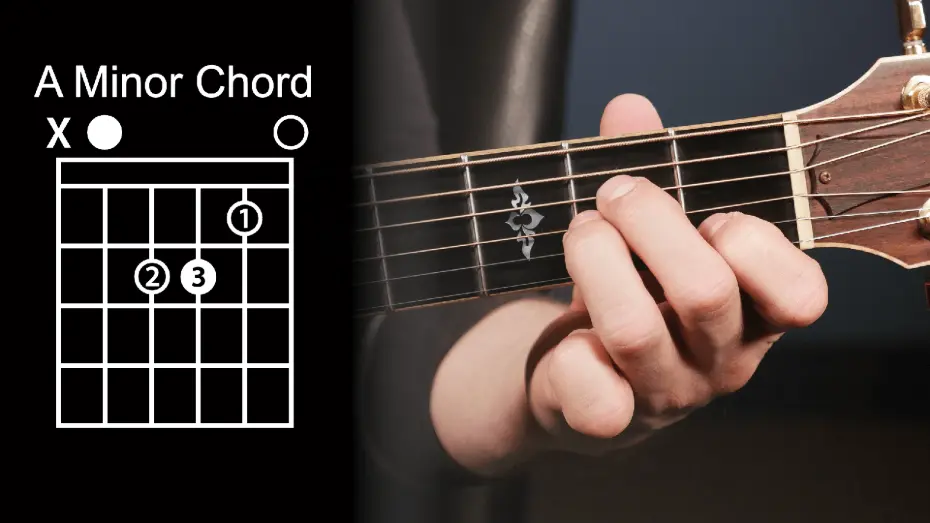
A Minor (Am)
- Fingering: Place your middle and ring fingers on the second fret of the D and G strings, and index finger on the first fret of the B string.
- Sound: Melancholic and deep, commonly used in blues and ballads.
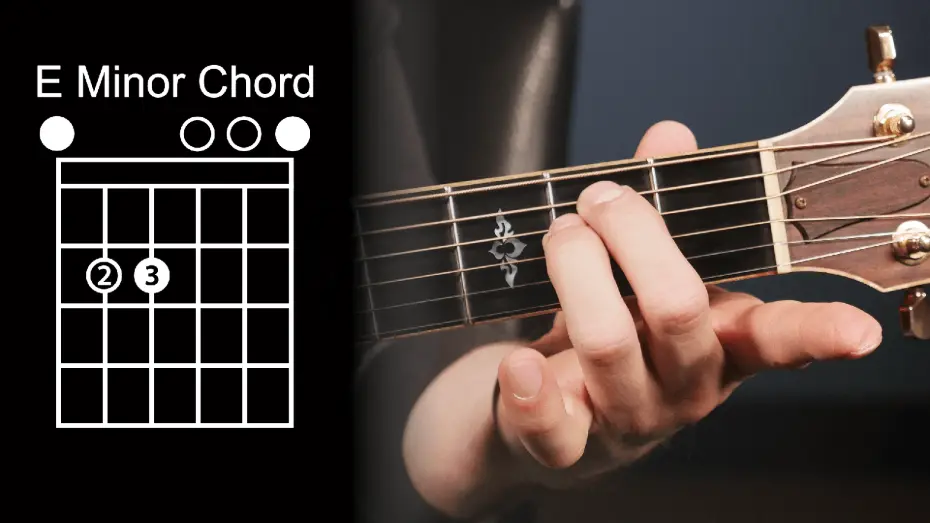
E Minor (Em)
- Fingering: Place your middle and ring fingers on the second fret of the A and D strings.
- Sound: Dark and powerful, an essential chord in rock and metal.
3. Tips for Mastering Beginner Chords
- Practice Transitions: Smoothly switching between chords is key to playing songs fluently. Start slowly and increase speed gradually.
- Use the Correct Finger Placement: Ensure your fingers are pressing the strings firmly but not excessively, avoiding muted or buzzing sounds.
- Strumming Patterns: Experiment with different strumming patterns to develop rhythm and musicality.
- Consistent Practice: Set aside at least 15-30 minutes daily to reinforce muscle memory and improve finger dexterity.
4. Songs to Practice with These Chords
Here are a few beginner-friendly songs that use these chords:
- "Sweet Home Alabama" – Lynyrd Skynyrd (D, C, G)
- "Wish You Were Here" – Pink Floyd (C, D, Am, G, Em)
- "Knockin’ on Heaven’s Door" – Bob Dylan (G, D, Am, C)
Conclusion
Mastering these beginner guitar chords opens the door to countless songs and musical possibilities. With patience and practice, you’ll be able to play along with your favorite tunes and even start composing your own music. Keep strumming, stay consistent, and most importantly, enjoy the journey!